Pediatric Pulpotomies: Saving Baby Molars with Expert Care in Los Feliz
As a parent, watching your child struggle with a toothache can be heart-wrenching. You want answers, solutions, and, most importantly, relief for your little one. Decay or infections in baby molars can feel overwhelming, but here's a reassuring fact: a pediatric pulpotomy can save the tooth and protect your child's oral health for the future.
At Griffith Pediatric Dentistry in Los Feliz, we combine child-focused expertise with a gentle, kid-friendly approach to make this process as smooth and stress-free as possible for both you and your child.
What Is a Pediatric Pulpotomy?
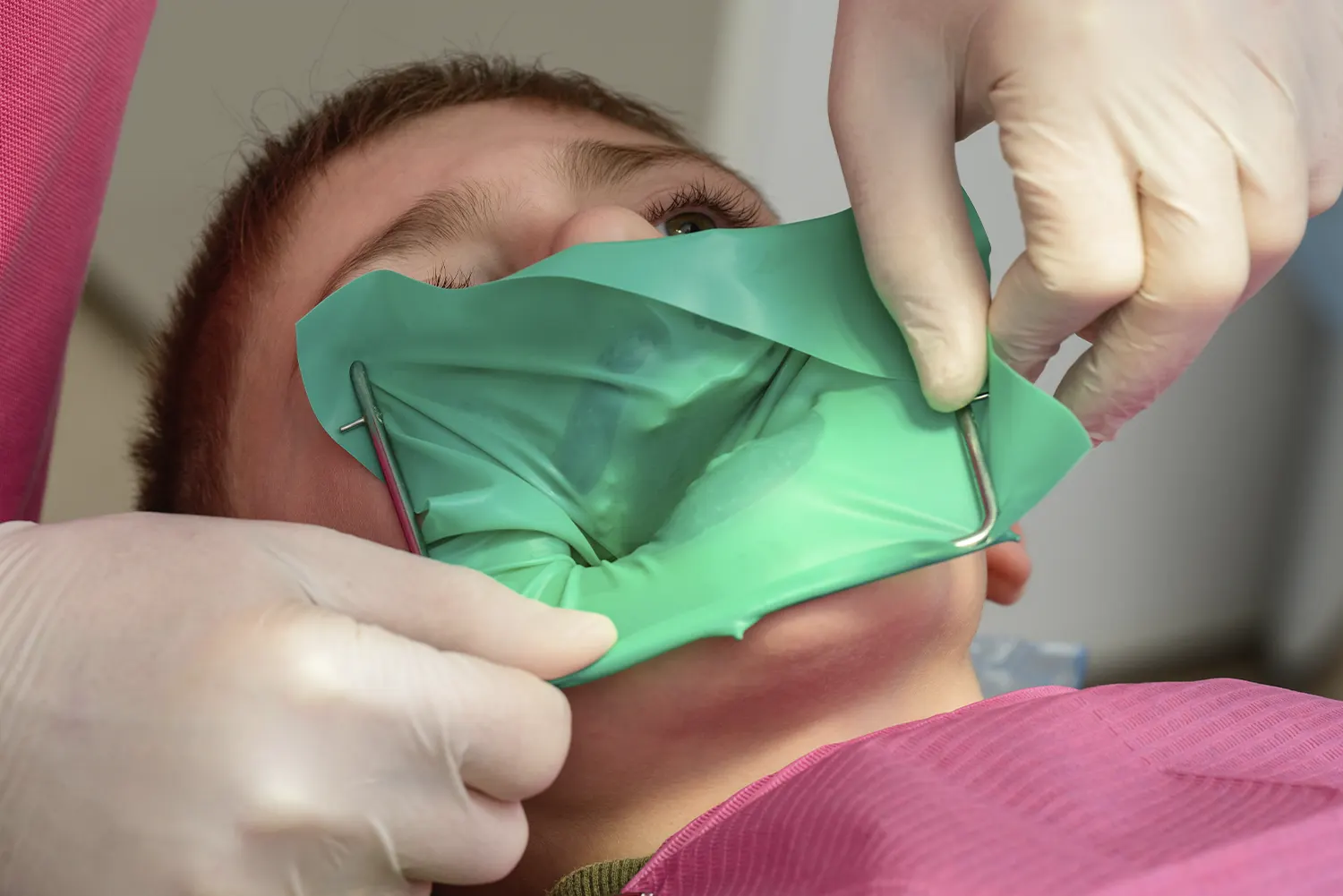
A pediatric pulpotomy is a common dental procedure used to treat infections or inflammation affecting the pulp, the soft tissue inside the tooth, of a baby molar. Sometimes called a "baby root canal," this treatment removes diseased tissue from the upper part of the pulp chamber while keeping the healthy root intact. By doing so, it preserves the tooth's structure until it's naturally ready to fall out and be replaced by a permanent tooth.
Why Saving Baby Molars Matters
Baby teeth might not be permanent, but they play a crucial role in your child's development. Here’s why saving a decayed or infected molar is essential:
- Guiding permanent teeth: Baby teeth act as placeholders for adult teeth, ensuring they emerge in the correct position.
- Supporting proper chewing and speech: Early tooth loss can affect eating habits and speech development.
- Preventing alignment issues: Losing a molar prematurely can cause surrounding teeth to shift, leading to crowding or bite problems.
How Does a Pediatric Pulpotomy Work?
At Griffith Pediatric Dentistry, our board-certified pediatric dentists, including Dr. Stephanie Cruz, specialize in calming kids' fears and guiding them through their dental journey with care and patience. Here's what you can expect during a pediatric pulpotomy:
- Gentle assessment: We start by examining your child's tooth and taking X-rays to confirm the extent of the infection or decay.
- Pain-free preparation: To ensure comfort, we use effective numbing techniques and, if needed, offer nitrous oxide or IV sedation tailored to your child's needs.
- Removing infected tissue: The damaged pulp from the upper chamber is carefully removed, leaving the healthy root intact.
- Filling and sealing: A safe, nontoxic medicated filling is placed to protect the tooth and prevent reinfection.
- Final restoration: To strengthen the baby molar and restore function, we’ll place a pre-fitted stainless steel crown that’s designed for durability.
Child-Friendly Comfort Every Step of the Way
We know dental visits can be intimidating for children, but our office is designed with your little one’s comfort in mind. From themed spaces and ceiling-mounted TVs to iPads loaded with their favorite streaming services like Disney+, every detail is geared toward creating a positive, relaxed environment where they can feel at ease.
Signs Your Child Might Need a Pulpotomy
Not sure if your child needs treatment? Here are common indicators of pulp damage or infection:
- Persistent toothache or sensitivity
- Swelling or redness around the affected tooth
- Changes in chewing or eating habits
- Dark discoloration of a tooth
If you notice these symptoms, reaching out to our office promptly can make a big difference. Early intervention often means simpler treatment and reduced discomfort for your child.
Parents' Top Questions About Pediatric Pulpotomies
Is a pulpotomy painful for my child?
Our pediatric dentists use advanced numbing techniques and offer sedation options like nitrous oxide to ensure your child feels no pain during the procedure. Afterward, mild discomfort is normal but short-lived, and we provide clear aftercare instructions to help you manage it at home.
How long does the treatment take?
The procedure typically takes around 30 to 45 minutes, making it efficient while maintaining a calm, focused approach to your child’s needs.
What happens if the tooth isn’t treated?
Untreated infections in baby molars can worsen, leading to severe pain, abscesses, or even affecting the development of permanent teeth. A pulpotomy not only saves the tooth but also safeguards your child’s overall oral health.
The Griffith Pediatric Dentistry Difference
What makes our Los Feliz practice the trusted choice for families? At Griffith Pediatric Dentistry, your child’s comfort and safety are our top priorities. From our board-certified expertise to amenities that reduce dental anxiety, you’ll find a supportive and compassionate team every step of the way.
We also specialize in inclusive care for children with sensory sensitivities or behavioral challenges. Trust is built through patience, communication, and creating predictable routines that help children feel secure. Whether it’s with the help of soothing nitrous oxide or fun distractions like ceiling TVs, we make every treatment as gentle as possible for young patients.
Protecting Your Child’s Smile, Contact Us Today
If your child is experiencing tooth pain or has been recommended for a pediatric pulpotomy, don’t wait to get them the help they need. At Griffith Pediatric Dentistry, Dr. Stephanie Cruz and her team provide expert, comforting care that prioritizes your child’s well-being and long-term oral health.
Whether you have questions about the procedure or believe your child needs a pulpotomy, we’re here to help. Call us today at (323) 301-7125 or schedule an appointment online to give your little one the smile-saving treatment they deserve.
Related Posts
Pediatric Pulpotomies: Saving Baby Molars with Expert Care in Los Feliz

What Counts as a Pediatric Dental Emergency? A Parent's Guide
How Quickly Does Silver Diamine Fluoride Stop a Cavity? What Parents Should Know